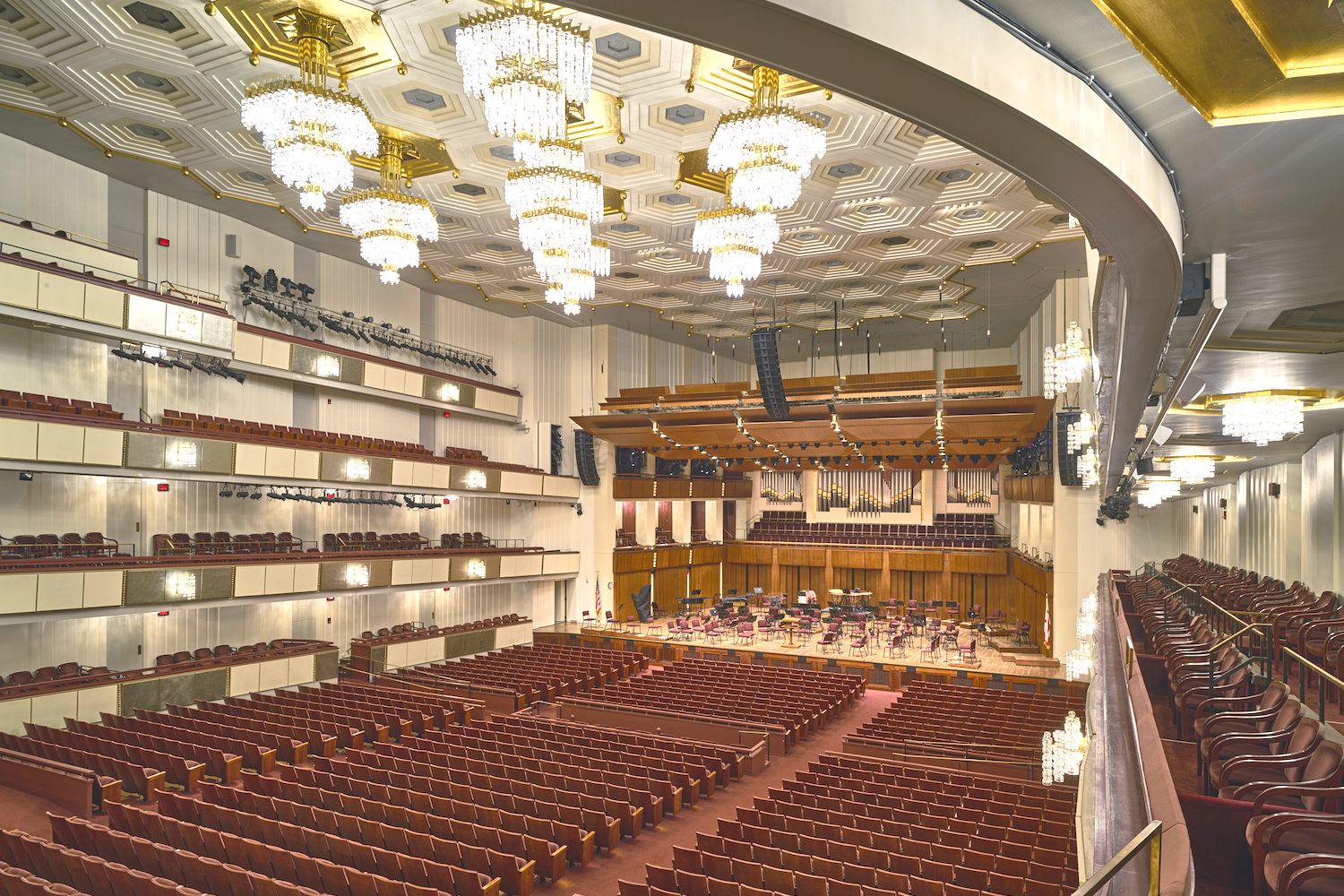
The Kennedy Center's board voted Tuesday, Sept. 15, to shut down the performing arts venue for a two-year renovation. The vote deepens a months-long standoff between President Donald Trump and a federal judge over who controls the building's name.
The closure cannot take effect yet. U.S. District Judge Christopher Cooper's existing preliminary injunction keeps the doors open, and Cooper ordered the government to file a motion to lift that injunction by Friday, Sept. 18, the Associated Press reported.
Hours before the vote, Cooper issued a 22-page ruling blocking the board's latest attempt to add Trump's name to the building or grounds. "Simply put, Defendants cannot install memorials for President Trump or anyone or anything else at the Kennedy Center without Congress's blessing," Cooper wrote.
It was the third time since February that the board voted to close the center, NBC News reported. Trump joined the closed-door meeting virtually and spent several minutes criticizing both Rep. Joyce Beatty, D-Ohio, who filed the lawsuit challenging the renaming, and the judge, NBC News reported, citing a source familiar with the meeting. Commerce Secretary Howard Lutnick also participated. Lutnick's wife, Allison, sits on the Trump-appointed board.
The board's draft resolution warned the center "will not be able to support its payroll obligations, nor routine maintenance contracts within a matter of weeks." Internal documents showed a $23 million deficit for the current fiscal year, with fundraising reaching roughly $124 million against a $220 million target, according to figures the Washington Post obtained.
On Sept. 4, a section of ceiling plaster fell about 60 feet in the Grand Foyer after heavy rains. No one was hurt, but the board cited the incident as evidence the building is unsafe, WTOP reported. Beatty's lawyers pushed back, arguing the board misrepresented its own consultant's findings. The engineering firm Delta Consulting Group "expressly disclaimed providing any such opinion" that the building is unsafe for occupancy, the lawyers said in court filings, according to the Los Angeles Times.
Trump wrote on Truth Social after the vote that the shutdown was "for Safety reasons" and would be immediate. He tied the planned renovation directly to the naming dispute, writing that reconstruction cannot begin until the D.C. Circuit rules on the board's proposed name change and that if the ruling goes against him, renovations will not happen.
Trump plans to appeal Cooper's ruling, according to Reuters. The proposed Trump Kennedy Center Fund had not raised any money as of Tuesday, NPR reported.
The fallout for Washington residents is already visible. After Trump began exerting more direct control over the center, artists canceled performances, the Washington National Opera and the National Symphony Orchestra moved to other venues, and revenue dropped sharply, Reuters reported. The Millennium Stage, a free daily concert series that draws thousands of D.C.-area residents each month, would go dark under a closure of the main building.
Congress appropriated $256.6 million in restricted renovation funding in July 2025, available through Sept. 30, 2029, according to Time. The Kennedy Center Honors and the Mark Twain Prize for American Humor would continue at offsite locations. Programming at the REACH expansion campus would also continue.
Cooper floated the idea of placing the center in receivership. At a hearing Tuesday morning, before his ruling, he urged both sides to negotiate but said he was not ordering them to do so, asking whether it was "possible to turn down the temperature a little bit."
The government's motion to lift the injunction is due Friday, Sept. 18.


_edited.avif)