A D.C. proposal to authorize commercial robotaxis is advancing as federal lawmakers consider restrictions on Chinese-built vehicles, potentially complicating Waymo’s expansion into the District.
Councilmember Charles Allen, who chairs the Committee on Transportation and the Environment, told Axios he plans to put his autonomous vehicle bill to a committee vote by Thanksgiving. A full Council vote could follow in December. Allen called the measure's protections the "most robust … you'll find in AV legislation."
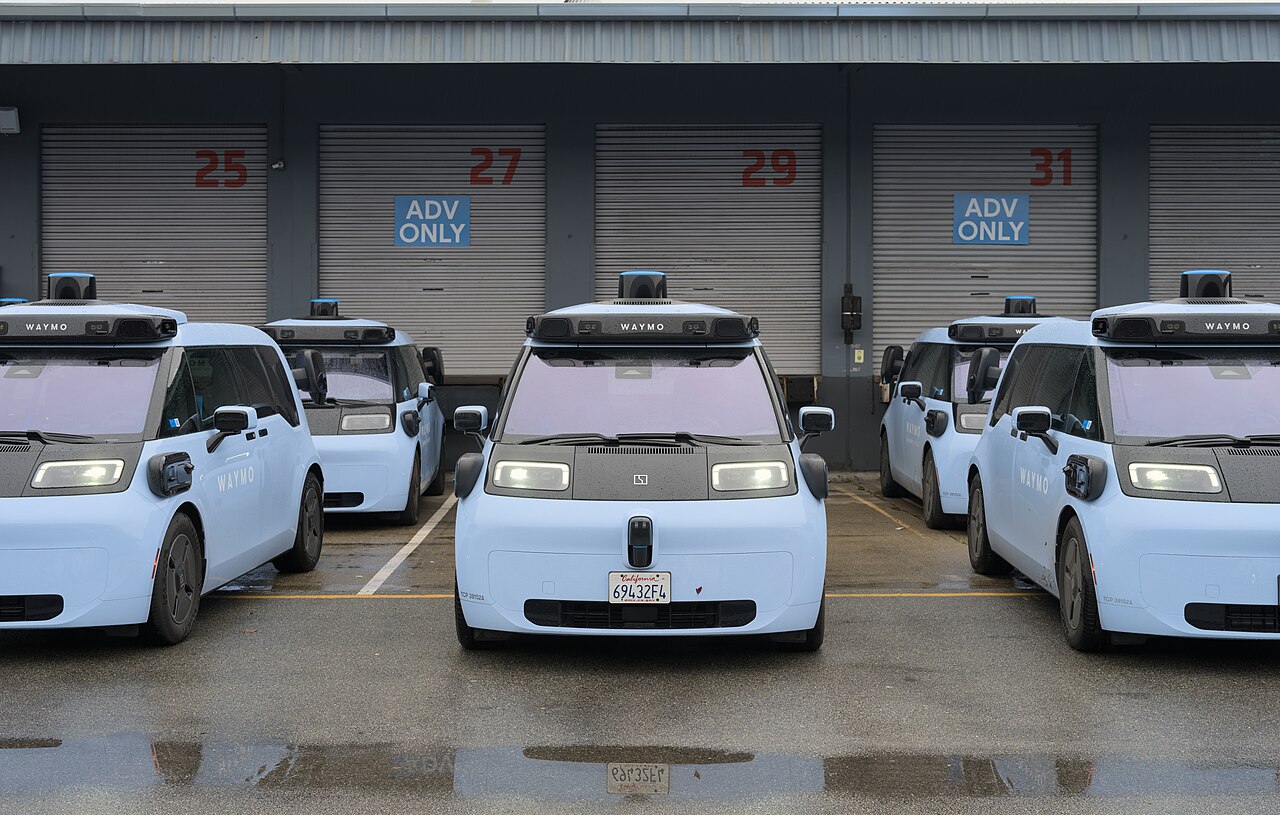
But the powder-blue Ojai minivans Waymo would deploy are built by Zeekr, a subsidiary of Chinese automotive conglomerate Geely Holding Group. Zeekr makes the vehicle bodies in Ningbo, China, and ships them through the Port of Los Angeles to a Waymo facility in Mesa, Arizona, where Waymo and manufacturing partner Magna International install sensors and self-driving software, according to TechTimes.
Waymo says the vehicles arrive as bare shells with no connectivity hardware. Waymo Chief Safety Officer Mauricio Peña told Sen. Bernie Moreno, R-Ohio, at a February 2026 Senate hearing that the Chinese vehicles "have no smarts, no connectivity," according to TechTimes.
The company says it does not share rider data, vehicle telemetry or sensor footage with Zeekr or any other vehicle manufacturer, the New York Post reported.
Not everyone is convinced.
Missy Cummings, director of George Mason University's Autonomy and Robotics Center and a former senior safety adviser at the National Highway Traffic Safety Administration (NHTSA), told the New York Post she doubts Waymo's assurances that the Zeekr chassis are free of Chinese technology. No independent security audit of the completed Ojai's data systems has been published, TechTimes reported.
The federal government has already acted on similar concerns.
The Commerce Department's Bureau of Industry and Security (BIS) finalized a rule in January 2025, effective March 17, 2025, restricting the import or sale of connected vehicles and related technology linked to China or Russia. BIS used that rule in June to bar Polestar, another Geely subsidiary, from selling new vehicles in the United States starting with model year 2027. BIS has not published the criteria that produced different outcomes for Polestar and Volvo, also Geely-owned, which received authorization to continue U.S. sales, according to TechTimes.
Waymo argues its arrangement is different because Zeekr ships incomplete vehicles, not finished connected cars. BIS has not issued a public ruling on whether that distinction holds, according to TechTimes.
A bipartisan Senate bill would close that gap. The Connected Vehicle Security Act of 2026 (S.4429), introduced April 29 by Moreno and Sen. Elissa Slotkin, D-Mich., passed the Senate Commerce Committee unanimously on July 22. The bill would ban the import or sale of any connected vehicle "designed or made by" a company tied to China, regardless of what hardware is inside. The bill would broaden restrictions to cover Chinese-linked vehicles even when restricted software or connectivity hardware is removed before importation or installed afterward. It provides an authorization process, but Waymo’s eligibility and any applicable transition period remain unresolved.
Backers hope to attach the measure to the National Defense Authorization Act, PCMag reported. The House companion bill has more than 100 co-sponsors, according to Spectrum News.
In D.C., the robotaxi bill drew 81 witnesses to a July 13 public hearing, according to Electric Vehicles. The bill would cap the initial fleet at 200 vehicles, require $5 million in liability insurance and charge operators 15 cents per mile, with proceeds split between Metro and displaced rideshare drivers.
Waymo has committed tens of millions of dollars to service centers in Wards 5 and 7, DC News Now reported.
Whether federal restrictions would require Waymo to change its planned D.C. fleet remains unresolved as the Council considers whether—and under what conditions—to authorize commercial service.