.png)
More than 51,000 District of Columbia Public Schools students return to class Tuesday, Aug. 25, carrying four straight years of academic gains but facing a stubborn problem: fewer kids are showing up consistently.
Assessment results released Aug. 20 by the Office of the State Superintendent of Education show districtwide English language arts proficiency climbed two percentage points to 39.6%, while math proficiency rose 2.1 points to 28.5%. Since 2022, ELA scores have jumped 8.8 points and math 9.1 points. ELA proficiency is now the highest on record since 2015, though math has not yet recovered to pre-pandemic levels.
But the district's most recent attendance report tells a different story. Truancy hit 35% in the 2024-25 school year, up from 33.4% the year before. Chronic absenteeism rose to 38.2%, compared with 36.9% previously.
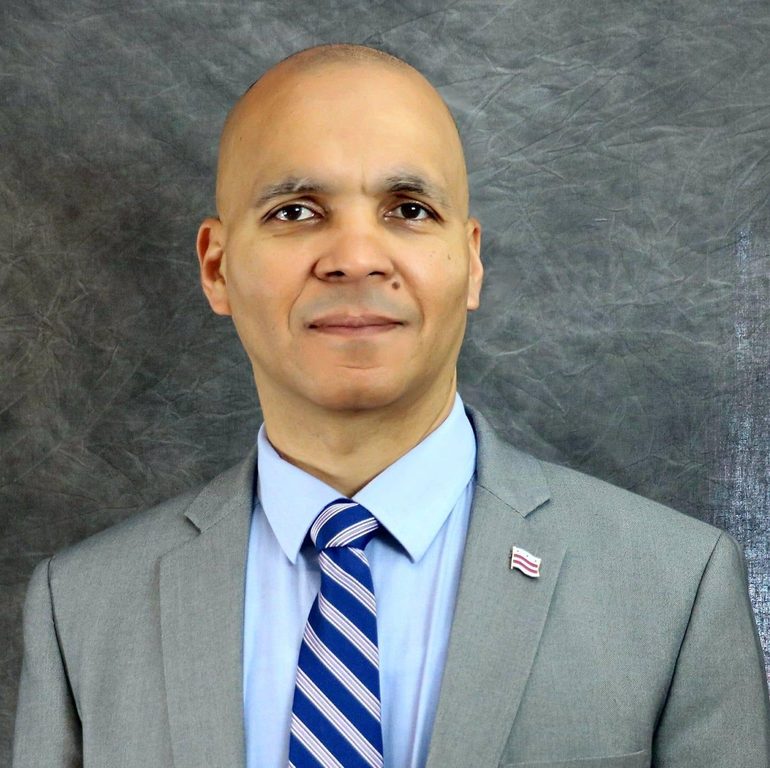
That tension puts attendance squarely at the center of interim Chancellor Kim Jackson's agenda as she leads DCPS into her first full school year. Jackson, named interim chancellor in June after serving as chief of schools, told WTOP in a written Q&A published Monday, Aug. 24, that chronic absenteeism "remains a national challenge" and credited targeted programs like the Truancy Reduction Pilot with producing reductions among participating students.
In a separate interview with WJLA, Jackson pointed to high-impact tutoring as one tool pulling students into classrooms: "Attendance is better for students on the days that they have high-impact tutoring. It is definitely one of the reasons that we've been able to see sustained growth in terms of proficiency rates across the district."
An OSSE analysis found an association between tutoring and scores: students who logged at least 20 hours of high-impact tutoring showed more favorable assessment results across grade bands, though the agency noted the data does not prove causation. The tutoring initiative now serves more than 10,000 students through over 30 providers at more than 100 schools and community sites.
Gains concentrated in younger grades
The gains weren't uniform. Elementary and middle school students (grades 3-8) drove the progress, with ELA proficiency rising 2.7 points to 40.1% and math climbing 2.7 points to 31.8%. High school results slipped: ELA fell one point to 37.5%, and math dipped slightly to 14.8%.
Every student subgroup, including economically disadvantaged students, students with disabilities and English learners, posted gains in both subjects.
Truancy pilot shows promise, but scale is limited
Mayor Muriel Bowser's Truancy Reduction Pilot Program reported a 71% year-over-year reduction in truancy among participating students in its first year, according to results announced May 4. The program replaces court referrals with early intervention and case management once a student hits 10 (middle school) or 15 (high school) full-day unexcused absences.
As of April, ten schools participate, including Anacostia, Eastern, H.D. Woodson and Dunbar high schools and Cardozo Education Campus. Bowser introduced the Truancy Reduction Programs Amendment Act of 2026 in her fiscal 2027 budget to expand the model citywide, backed by $7 million for tutoring and attendance programs.
New assessment, new curriculum
The 2026-27 year also marks a testing transition. DC is moving from the DC CAPE exam, which completed its third and final year last spring, to DC CAPE Next, a computer-adaptive assessment. DCPS is also piloting a new early-childhood and ELA curriculum in select schools across all eight wards and expanding career and technical education into middle school, with free college courses available to high school students through dual enrollment.
Families will receive individual student score reports in September. Full 2026 data including growth metrics will appear on the DC School Report Card in December, and the district continues its search for a permanent chancellor to succeed Lewis Ferebee.