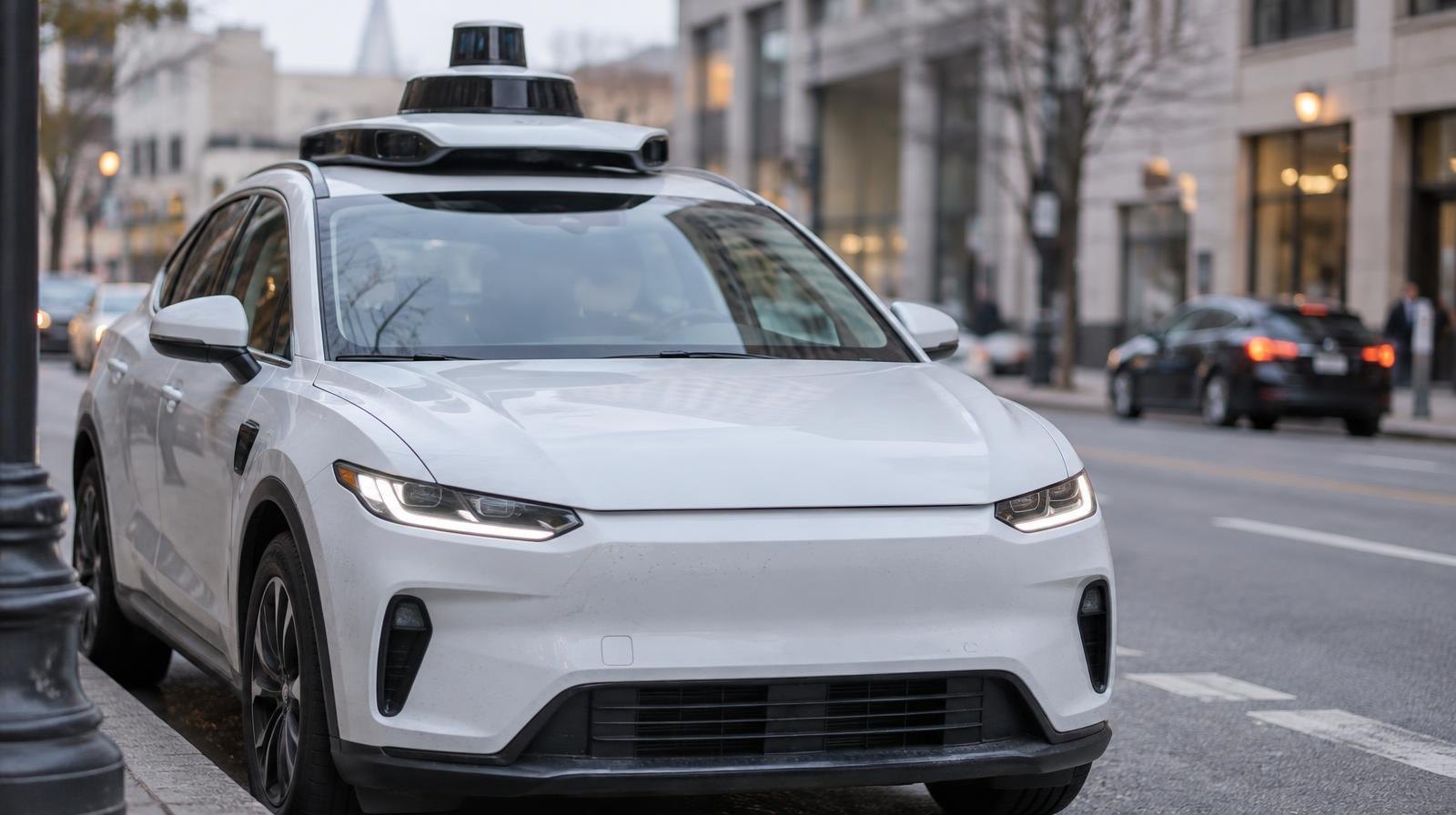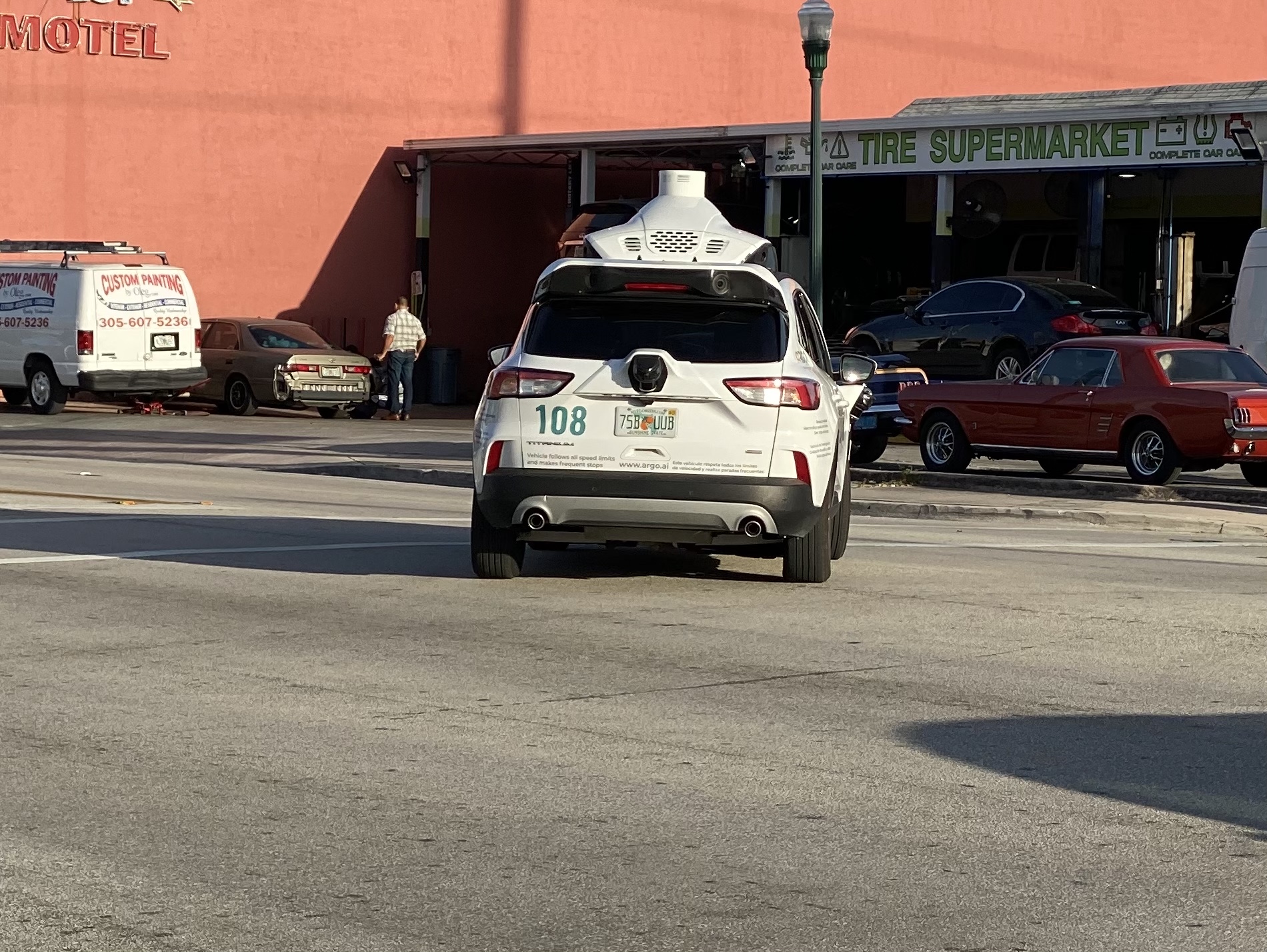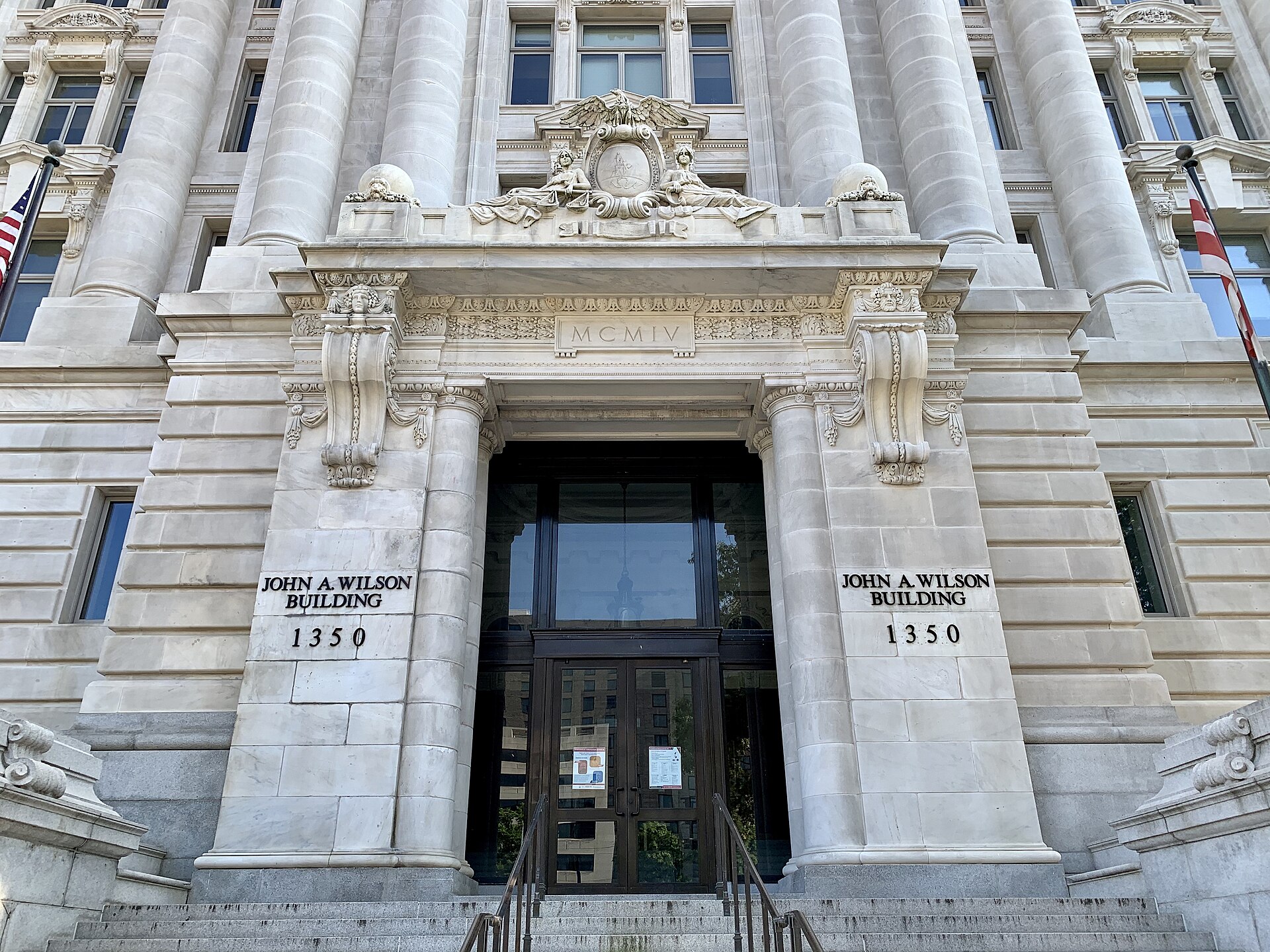
D.C. rideshare drivers won a reprieve Nov. 12 when the Council's transportation committee killed a bill that would have opened the door to driverless taxis, but the fight over their livelihoods is far from settled.
Council members Zachary Parker, Elissa Silverman and Mayor-elect Janeese Lewis George voted against the Autonomous Vehicle Deployment Authorization Amendment Act of 2026. Council members Charles Allen and Christina Henderson voted for it. Council Chairman Phil Mendelson cast a rare committee-level vote in favor, as Axios reported, but the 3-3 deadlock meant the bill failed to advance.
As we reported Nov. 11, the bill faced long odds heading into the vote.
Labor unions and their allies packed the committee room. The outcome was a win for groups that had spent months arguing driverless cars would gut the earnings of thousands of drivers who depend on Uber and Lyft to pay rent, buy groceries and cover household bills.
What drivers stood to lose
The IAM Union, which represents tens of thousands of rideshare drivers nationally, warned in a July 13 letter to Allen that the bill lacked "guardrails to properly address the expected negative impacts to those such as existing ride-share drivers and the local economy," according to a statement on the union's website.
Hasan Solomon, IAM's national political and legislative director, wrote that drivers "tap platforms like Uber and Lyft for work that allows them to make ends meet." He added: "These wages stay in the community for paying rent, paying income taxes, shopping at local grocery stores and other day-to-day costs that benefit the District."
Solomon warned that autonomous vehicles could redirect local economic gains toward Silicon Valley investors.
Data from other cities added to the concern. In Los Angeles, rideshare drivers' total work hours fell 17.8% and quarterly pay dropped 14.7% between the second quarter of 2024 and the same period in 2026, after Waymo launched there, according to analysis by the driver-earnings tracking firm Gridwise, as LAist reported.
Drivers' hourly and per-trip pay rose on average during that period, LAist reported, but they logged fewer hours overall.
Were the bill's protections enough?
Allen's revised bill, released Nov. 10, included what he called first-of-their-kind labor provisions. It would have granted Uber and Lyft drivers the right to organize and bargain collectively in D.C. Workers at autonomous vehicle maintenance facilities would have received the same right, according to Allen's office.
The revised bill proposed a 7.5-cent-per-mile tax on commercially authorized autonomous vehicles. After implementation costs, half the fund’s remaining revenue would support public transit. During the first three years, 25% would fund training for displaced or at-risk rideshare drivers and 25% would support accessibility. After that, accessibility would receive the remaining half.
Unions said it wasn't enough. ATU Local 689, the IAM and 32BJ SEIU issued a joint statement calling the revisions "rushed quick fixes that don't provide sufficient safeguards against job displacement," as DC News Now reported.
An SEIU spokesperson told The Washington Sun that unions want fair wage standards for rideshare drivers, a shared platform requirement and a clear explanation of how workers would be protected beyond a general displacement fund.
"We cannot afford to rush the process of employment and make our streets even less safe," Lewis George said during the committee markup, according to Axios.
What happens next
Jaime Contreras, executive vice president of the local SEIU chapter representing rideshare drivers, told The Washington Sun that "delaying this legislation until we know the real impact on jobs is responsible leadership."
Lewis George told reporters after the vote that she would make the legislation a priority once she takes office, according to The Washington Sun. Allen, who chairs the committee through Jan. 2, said the bill is dead for this council period. The final D.C. Council legislative meeting is scheduled for Dec. 15, according to Hill Rag.
Malcom Fox of Opportunity D.C., an AV advocacy group, told The Washington Sun the earliest a new committee vote could happen is September 2027. The revised bill would have required applicants to complete at least 90 days and 75,000 miles of driverless testing before applying for commercial authorization.
Waymo said in a statement that it "remain[s] ready to work with the Council" but warned that "postponing this debate delays the additional investments and jobs that come with scaling our operations," according to The Washington Sun.