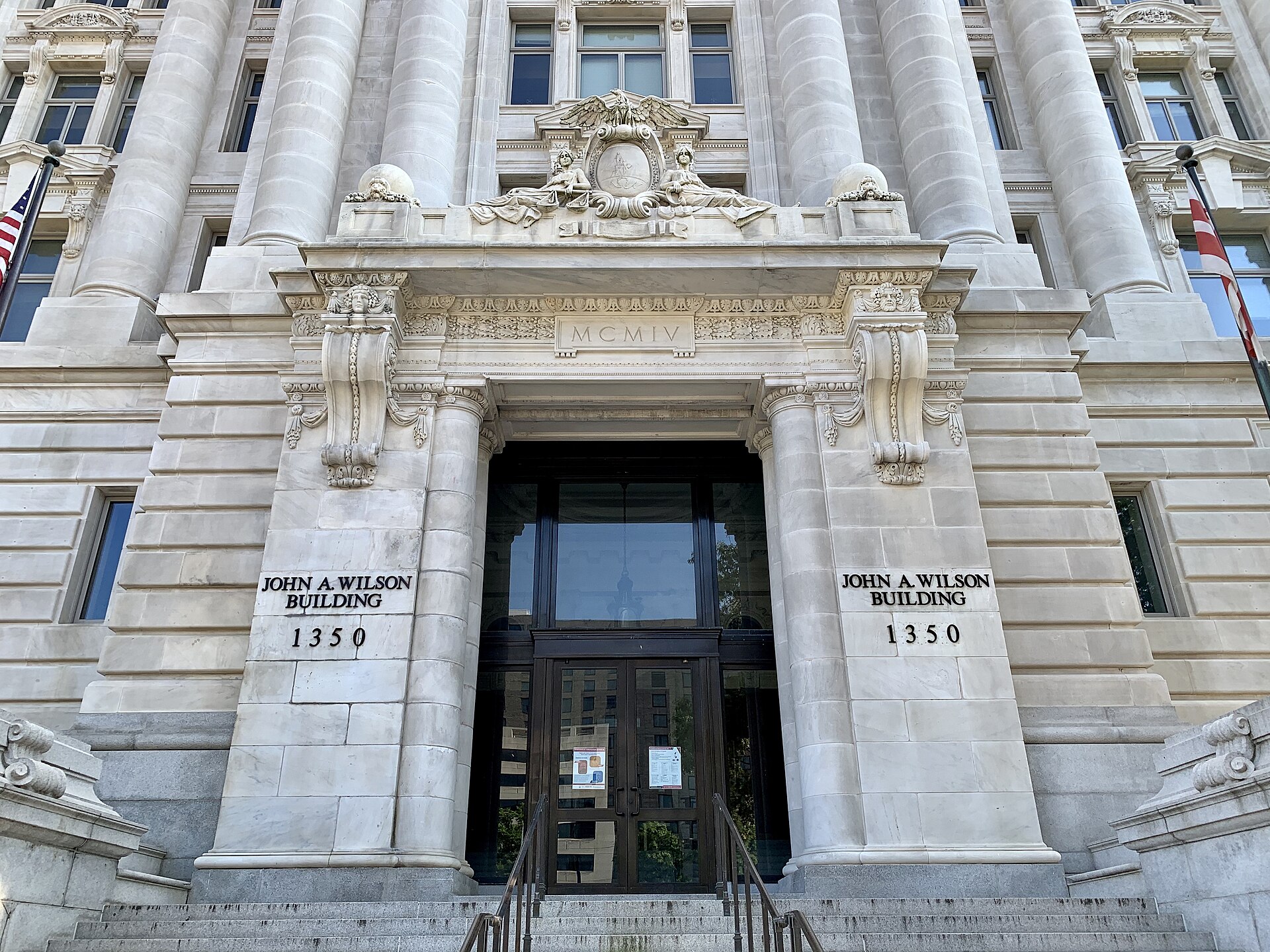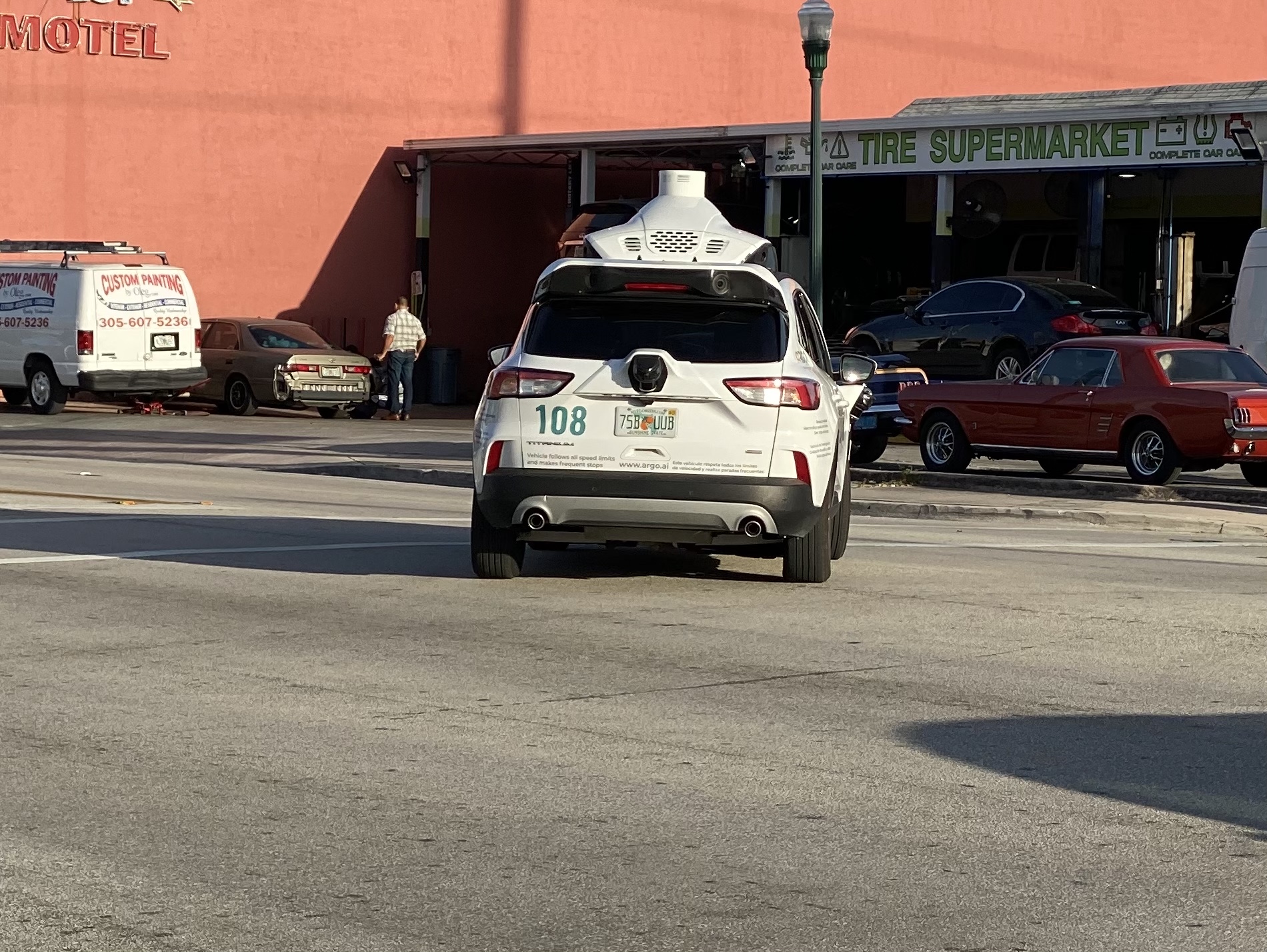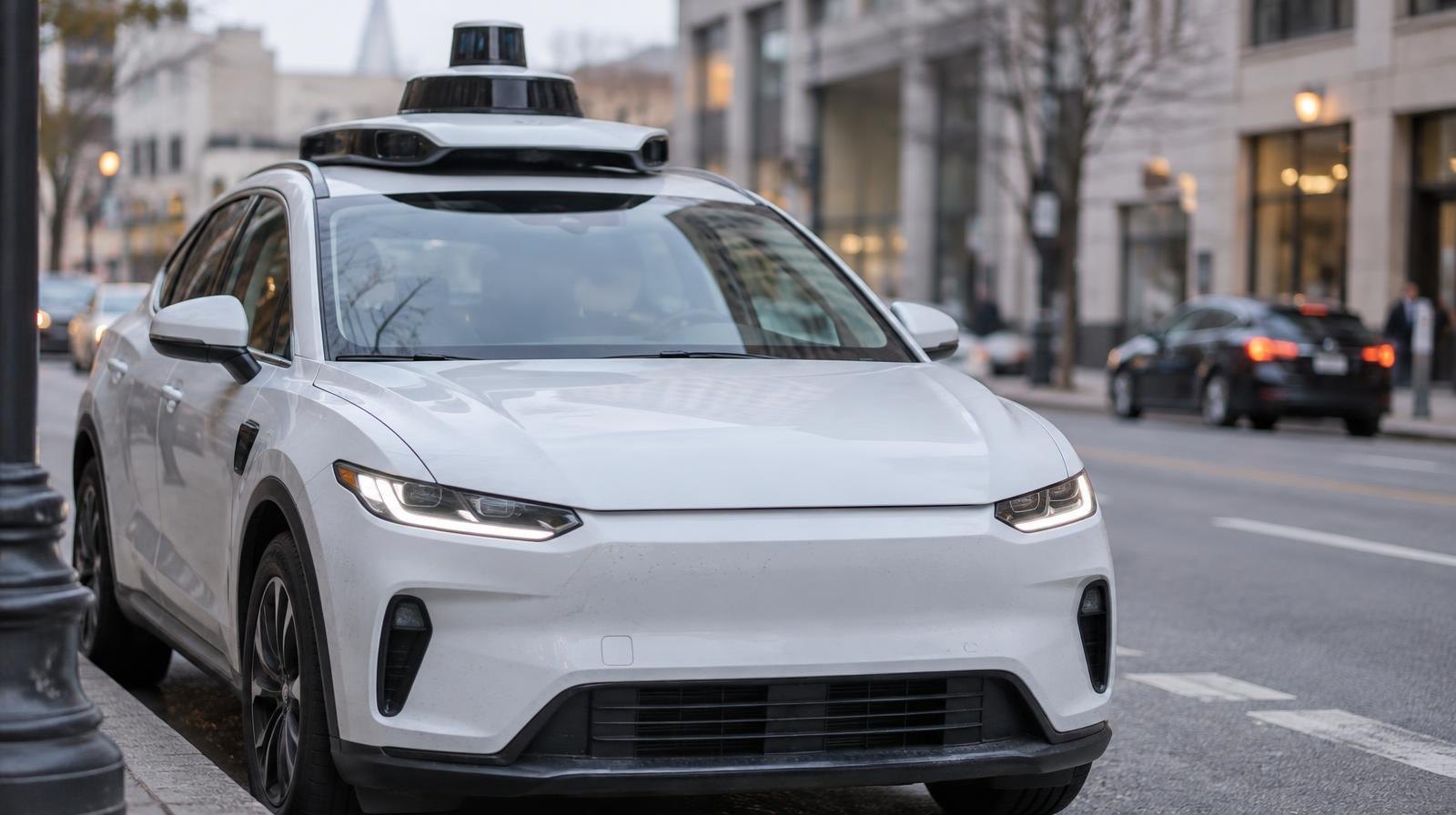
Council member Charles Allen's revised robotaxi bill heads into a Thursday, Nov. 12, committee vote without enough support to pass.
Allen (D-Ward 6), who chairs the Committee on Transportation and the Environment, introduced the new version on Tuesday, Nov. 10. The bill would legalize self-driving taxis in D.C. and let ride-hailing app drivers and robotaxi maintenance workers unionize in the District, the Washington Post reported.
Allen told the Post the bill has the most progressive worker protections of any robotaxi legislation in the country. "I'm not sure what else people are looking for," he said.
At least two of the five committee members plan to vote no, and a third has opposed the bill publicly.
Council member Christina Henderson (I-At Large) supports the revised bill. But council members Elissa Silverman (I-At Large) and Zachary Parker (D-Ward 5) told the Post on Tuesday they plan to vote against it. Mayor-elect Janeese Lewis George (D), a sitting council member who also sits on the committee, came out against robotaxi legislation in October, citing job-loss concerns. She called rushing the legalization of autonomous vehicles "irresponsible" in a social media post, according to the Post.
Parker told the Post he supports authorizing autonomous vehicles in D.C. but said the revised bill does not address all of his concerns. He said he does not think the bill fully answers the job-loss question Lewis George raised.
Silverman told the Post she wants the incoming administration to weigh in before the Council acts. She said she is not opposed to Waymo but is concerned about passing the bill during a change of administration.
As we reported Nov. 11, the bill must clear the transportation committee before reaching a full Council vote.
What the bill would do
The revised bill would cap each autonomous vehicle company at 200 vehicles, with no more than 800 allowed citywide. Companies would pay a vehicle miles tax of 7.5 cents per mile traveled. A quarter of that revenue would go for three years toward drivers hurt by driverless vehicle deployment. The bill would also require robotaxi companies to begin adding wheelchair-accessible vehicles.
Riders would not be able to hail a driverless car right away. The District Department of Transportation (DDOT) would have 90 days after the law takes effect to open applications for driverless testing permits. Companies would then have to log 75,000 miles with no driver and no passengers over at least 90 days, according to WUSA9. Allen told WUSA9 the earliest commercial service could begin in October 2027, with early 2028 more realistic.
Unions push back, Waymo welcomes bill
In a joint statement Tuesday, the International Association of Machinists and unions representing D.C.-area public transit workers and property service workers called the bill's changes rushed fixes that lack sufficient safeguards against job displacement, labor standards and passenger safety, the Post reported.
A Waymo spokesperson welcomed the revised bill and said autonomous vehicles would create safer roads and good jobs in the District, according to the Post.
A group with unclear funders has spent more than $2.6 million on political ads opposing the bill, making it the District's biggest political ad spender this year, according to data from the ad-tracking firm AdImpact cited by the Post.
What happens next
Allen told the Post that Lewis George and her administration would have the opportunity to review the legislation if it passes committee. He acknowledged the long odds, saying that if the bill does not succeed, he hopes to move forward in the new year.
Allen chairs the committee through Jan. 2 and said there is no guarantee who will lead it after that. Allen told WUSA9 that a bill that fails in committee is dead for the year.