D.C. school staff can use artificial intelligence to draft lesson plans but cannot use it to suspend a student or decide who qualifies for special education services.
That is the core of a new AI Model Policy for Staff Use that the Office of the State Superintendent of Education (OSSE) released Tuesday, Sept. 1. The policy gives D.C.'s local education agencies, or LEAs, their first official AI guidance heading into the 2026-27 school year.
The guidance uses a "stoplight" framework to sort AI uses into three tiers:
- Red (prohibited): AI cannot be used for student discipline decisions, physical surveillance of students and staff, teacher performance evaluations, or determining eligibility for individualized education programs (IEPs) and Section 504 accommodations.
- Yellow (limited use with safeguards): Staff may use AI to draft IEP language, monitor digital activity on school-issued devices, review and grade student work, and provide supplemental coaching to educators.
- Green (permitted with human oversight): AI may help draft lesson plans, customize student-facing materials, develop tutoring plans, analyze data sets, prepare school communications and support day-to-day operations.
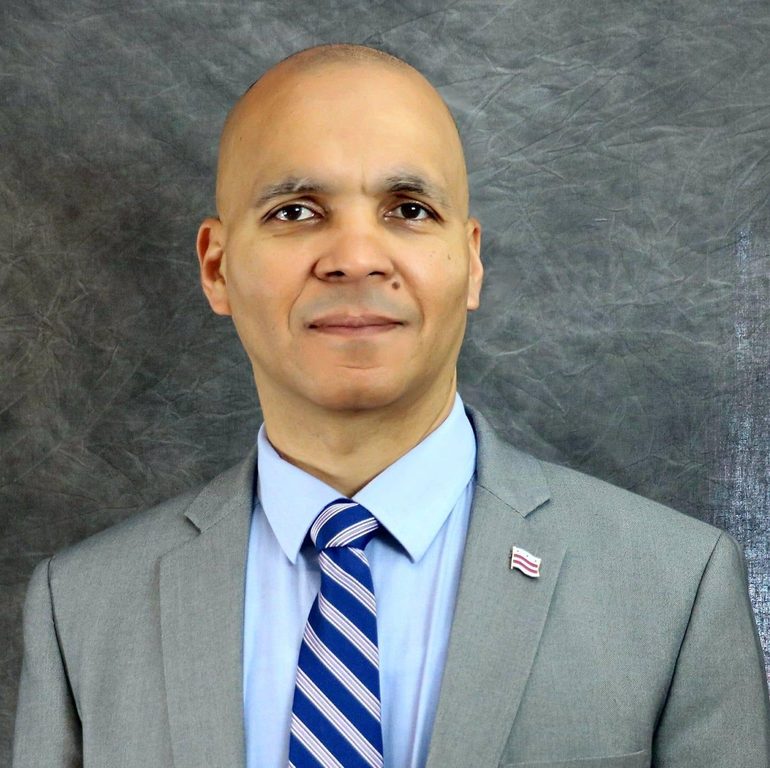
"This model policy keeps human judgment at the center of decision-making, strengthens privacy and data protections, and empowers educators with guidance they can adapt to their communities," State Superintendent of Education Antoinette Mitchell said in the announcement.
A February 2026 OSSE survey of LEA leaders found that only 45% had established a staff AI policy. LEA leaders said a model policy would be the most helpful resource OSSE could offer.
The policy is guidance, not a mandate. Each LEA can customize it to fit its own context. It covers staff use only and does not address student use of AI or tool procurement.
Any AI tool handling personally identifiable information must comply with federal privacy laws including the Family Educational Rights and Privacy Act (FERPA), the Individuals with Disabilities Education Act (IDEA) and the District's Protecting Students Digital Privacy Act of 2016, according to the policy.
OSSE also plans to add two professional development courses to its Learning Management System for educators: "AI Literacy for Educators" and "Instructional Decision-Making and AI Dilemmas." OSSE recommends staff complete training before using AI, demonstrate proficiency in AI literacy, and renew that training annually.
Deputy Mayor for Education Paul Kihn said the policy gives school leaders "a straightforward way to determine when AI can add value and when it should be off-limits."
Some D.C. charter schools have already been experimenting with AI. Richard Wright School of Journalism Public Charter School received an AI computer from the learning platform Study Fetch, according to the DC Public Charter School Board. DCPS interim Chancellor Kim Jackson said in an Aug. 24 WTOP interview that preparation for students "is not complete without responsible access to and instruction for digital tools and technology, including artificial intelligence."
The Capital AI Education Collective's AI Education Leadership Summit is scheduled for Wednesday, Oct. 7, at Gallaudet University.