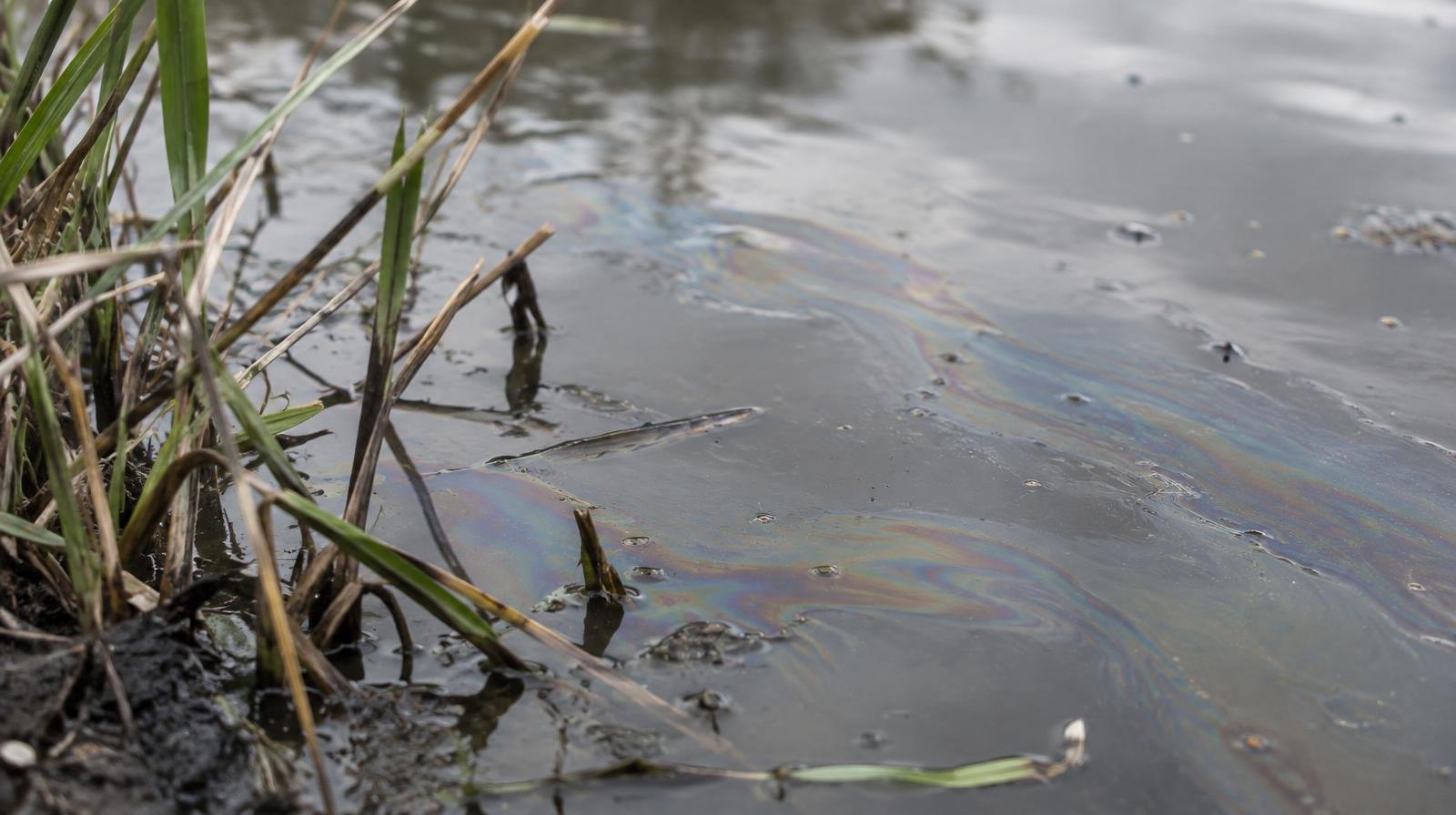
Every waterway tested in Washington contained per- and polyfluoroalkyl substances, or PFAS, according to a report the nonprofit Environment America Research and Policy Center released in October.
The so-called "forever chemicals" turned up in both the Anacostia River and Kingman Lake, the only two D.C. waterways included in the study, The Washington Informer reported. The Anacostia tested positive for seven PFAS compounds. Kingman Lake had nine.
The findings land as the District prepares a long-planned sediment cleanup along the Anacostia, and local environmental advocates say the project should screen for PFAS, too.
What PFAS are and why they matter
PFAS are synthetic chemicals that break down slowly, allowing them to build up in the environment, in aquatic species and in the human body over time, according to the Informer's reporting. Long-term exposure is associated with an increased risk of immune system suppression, reproductive and developmental effects, and certain cancers, including breast, kidney and testicular cancers.
The chemicals enter waterways through agricultural runoff, discharge from manufacturing facilities, wastewater treatment plants and contaminated soil from old landfills and dumps.
Nationally, the Environment America report found PFAS at 83% of 1,602 locations tested between 2022 and 2024. Of the roughly 14,735 PFAS compounds the Environmental Protection Agency lists, only about 114 are monitored in routine water testing, the Informer reported.
Local advocates want PFAS added to cleanup plan
Lisa Frank, executive director of Environment America, told the Informer that reducing PFAS in waterways requires a multi-step approach because people encounter the chemicals through everyday products like non-stick cookware, grease-resistant food packaging and stain-resistant fabrics.
Anacostia Riverkeeper Trey Sherard told the Informer he believes PFAS and related plastics should be banned outright. He said cleanup and remediation through the District's Anacostia River Sediment Project (ARSP) are scheduled to start on the Washington Channel in 2027, then Kingman Lake in 2027 or 2028, and the Anacostia River's worst hotspots sometime in 2028.
The ARSP, run by the District Department of Energy and Environment (DOEE), has focused since 2013 on identifying sediment contamination across the nine-mile tidal Anacostia, the Washington Channel and Kingman Lake. Studies found elevated concentrations of polychlorinated biphenyls (PCBs), polycyclic aromatic hydrocarbons, dioxins, heavy metals and pesticides, according to the ARSP website.
Sherard told the Informer he appreciates the initiative but wishes PFAS were included. He called for a "second-generation sediment project" that would screen for PFAS hotspots as crews address PCB contamination, the Informer reported.
River health improving, but threats remain
The Anacostia earned its highest-ever water quality grade in 2026, a C- with a score of 71%, according to the Anacostia Watershed Society's State of the River Report Card. That marked the first time the river jumped from a D to a C range.
The watershed society cautioned that the Anacostia still suffers from historical loss of wetlands and forests, and that climate change threatens to roll back 30 years of progress.
Dr. Dennis Chestnut, a Ward 7 native and executive director of Groundwork Anacostia River D.C. (GWARD), told the Informer that the Anacostia's health is tied directly to the Potomac River, the source of the city's drinking water. He said the river runs between communities inhabited by people of color and lower-income residents, and that the health of those neighborhoods is linked to the health of the river.
Stadium development adds urgency
With a new Commanders stadium planned along the Anacostia's banks, advocates hope city leaders and developers will keep the river's health in mind. Mayor Muriel Bowser transmitted the RFK Campus Master Plan to the D.C. Council on Sept. 24, outlining a framework for 180 acres of riverfront development.
Sherard told the Informer he wants to see more green space, new creeks placed along the campus to benefit the river's wetlands, and removal of toxic sediment. Chestnut said he hopes the stadium construction will push leaders to invest further in the river's health.